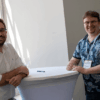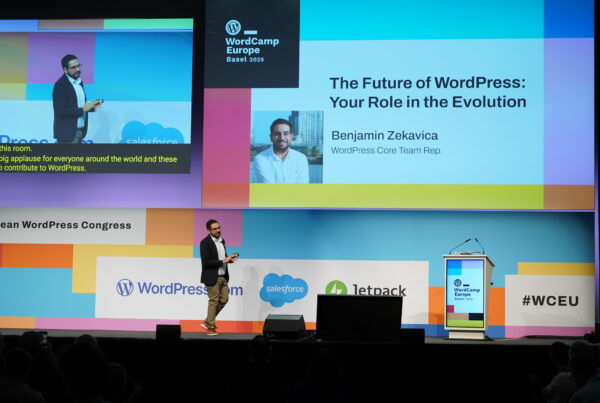
Around 2,500 people, three days in Kraków. What stuck with me are the new faces. First-timers, students, people with fewer than ten years of WordPress behind them. We’ve been talking about this community getting older for years, so for me that was the best sign of the whole week. And it lines up with what happened on stage.
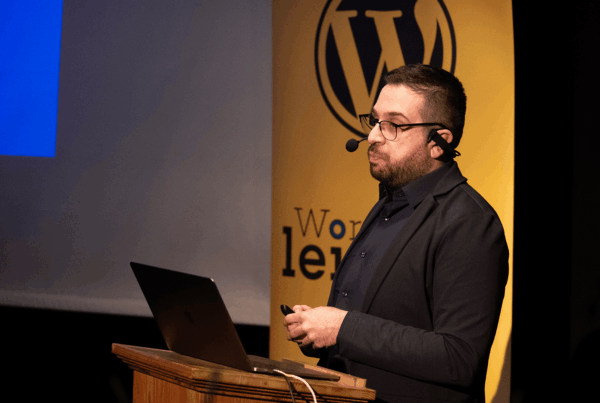
I was on stage twice. Friday, the WordPress 7.0 panel. AI landed as a foundation in this release, with the core shipping the building blocks. Users add their own API keys. Plugins talk to models through a new SDK. And the part I find most interesting as a developer: abilities can now be called from JavaScript, straight from the block editor. The real story, though, was real-time collaboration, because it got pulled.
They cut the headline feature and delayed the release, which almost never happens. Honestly, that was my wish. I wanted it out, and they listened. The tech behind it is great, no question. But for a normal agency it’s nice to have. It’s not essential. And on software that runs half the web, you don’t push a new storage architecture in half-baked.
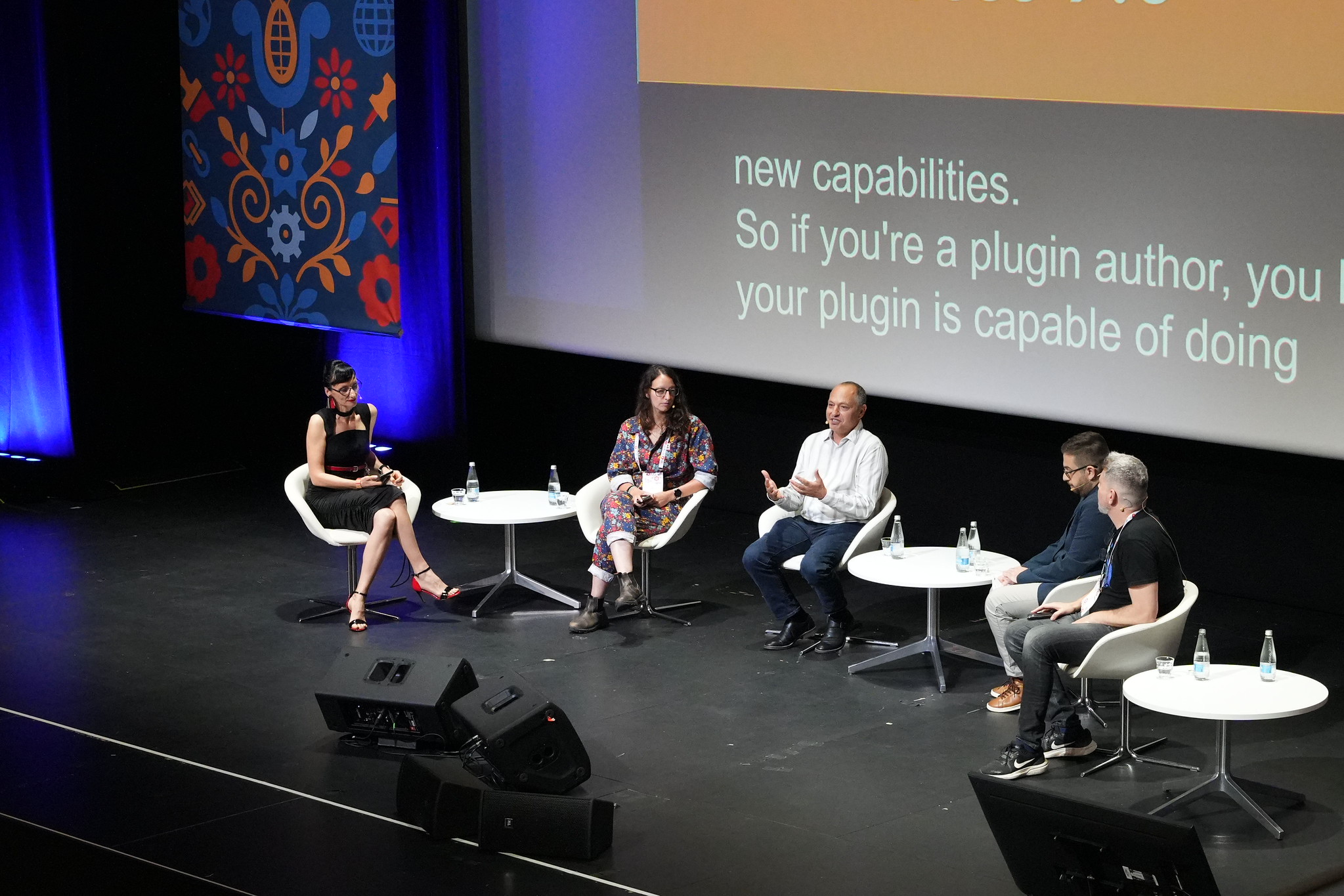
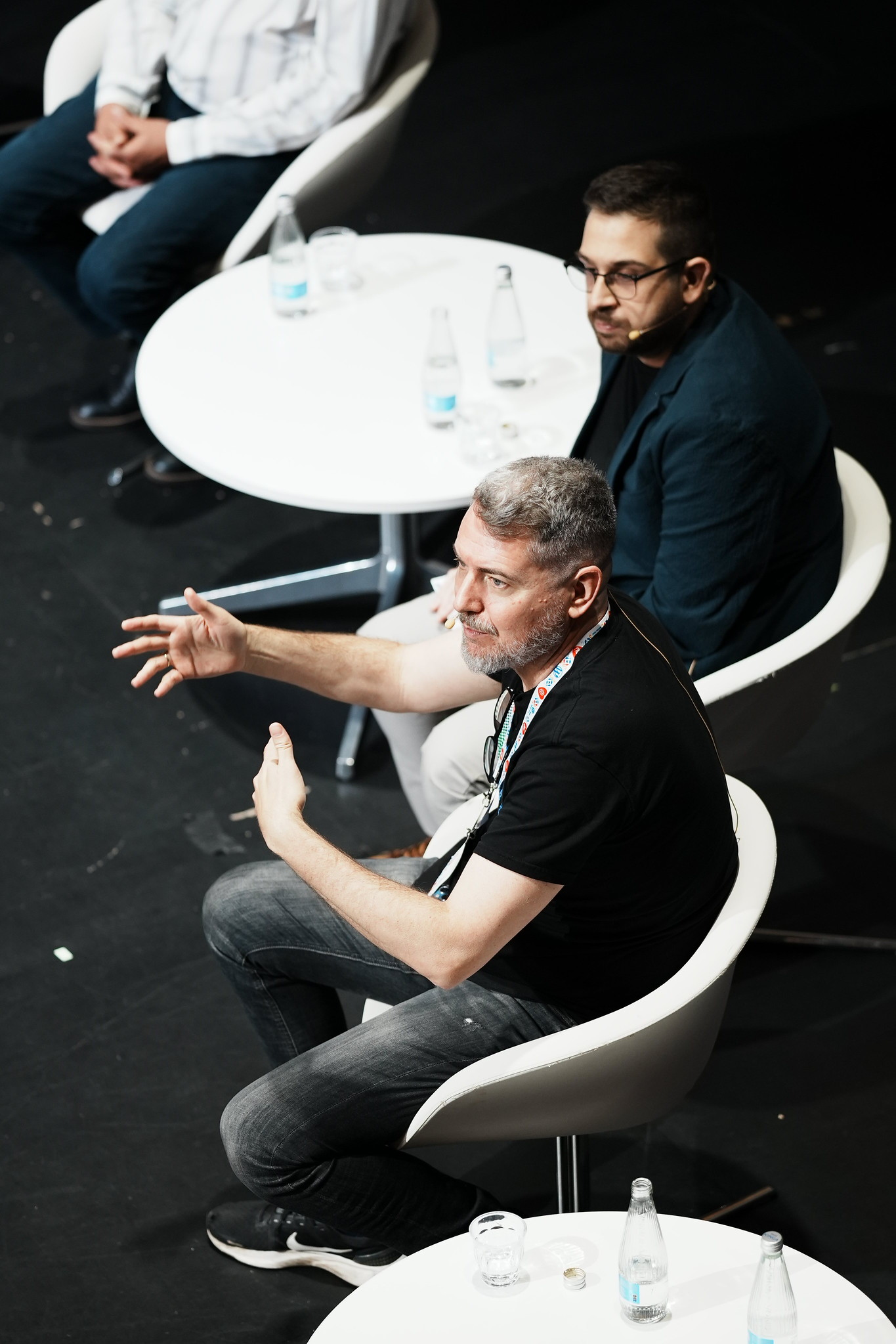
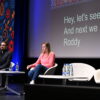
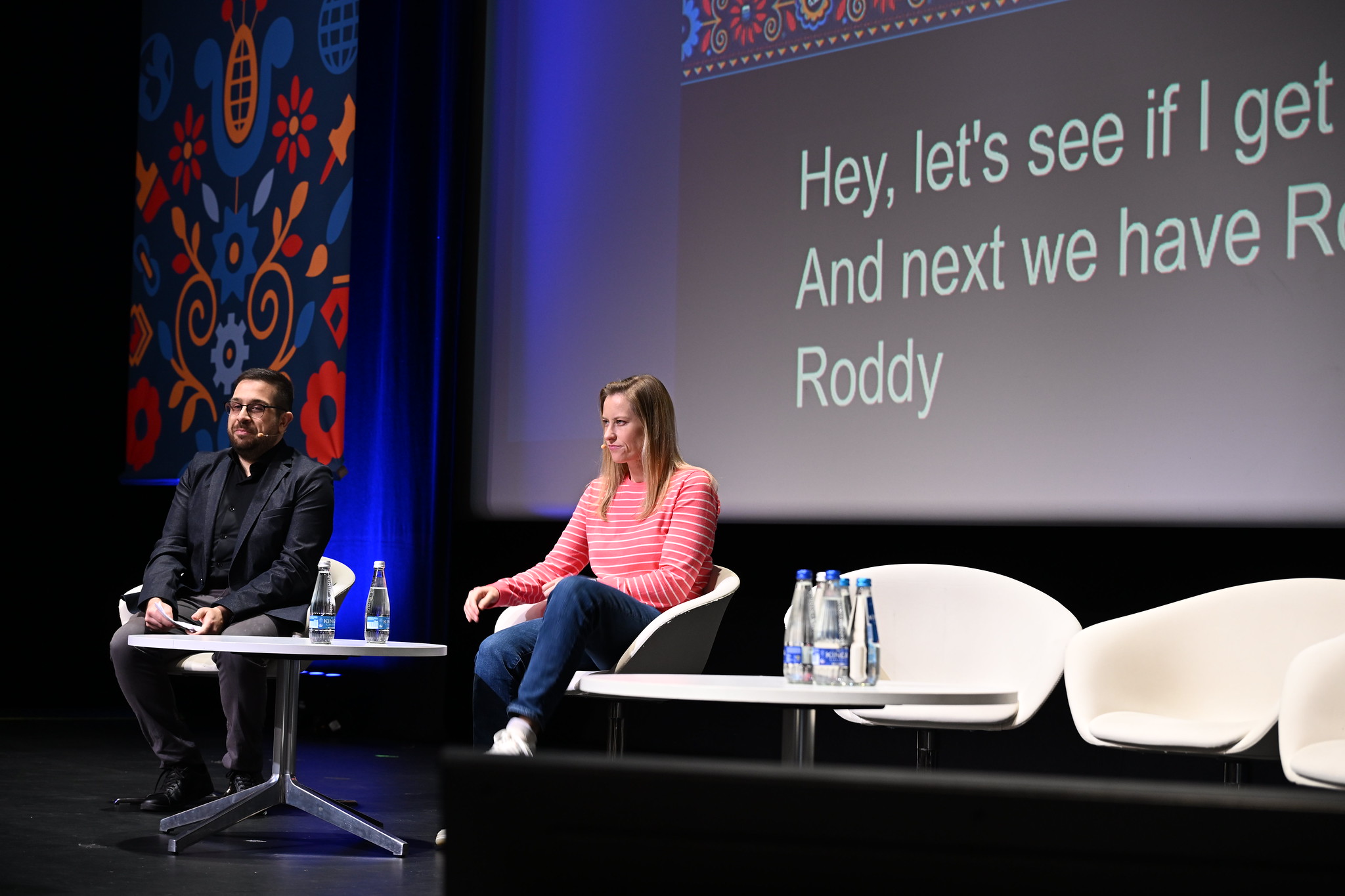
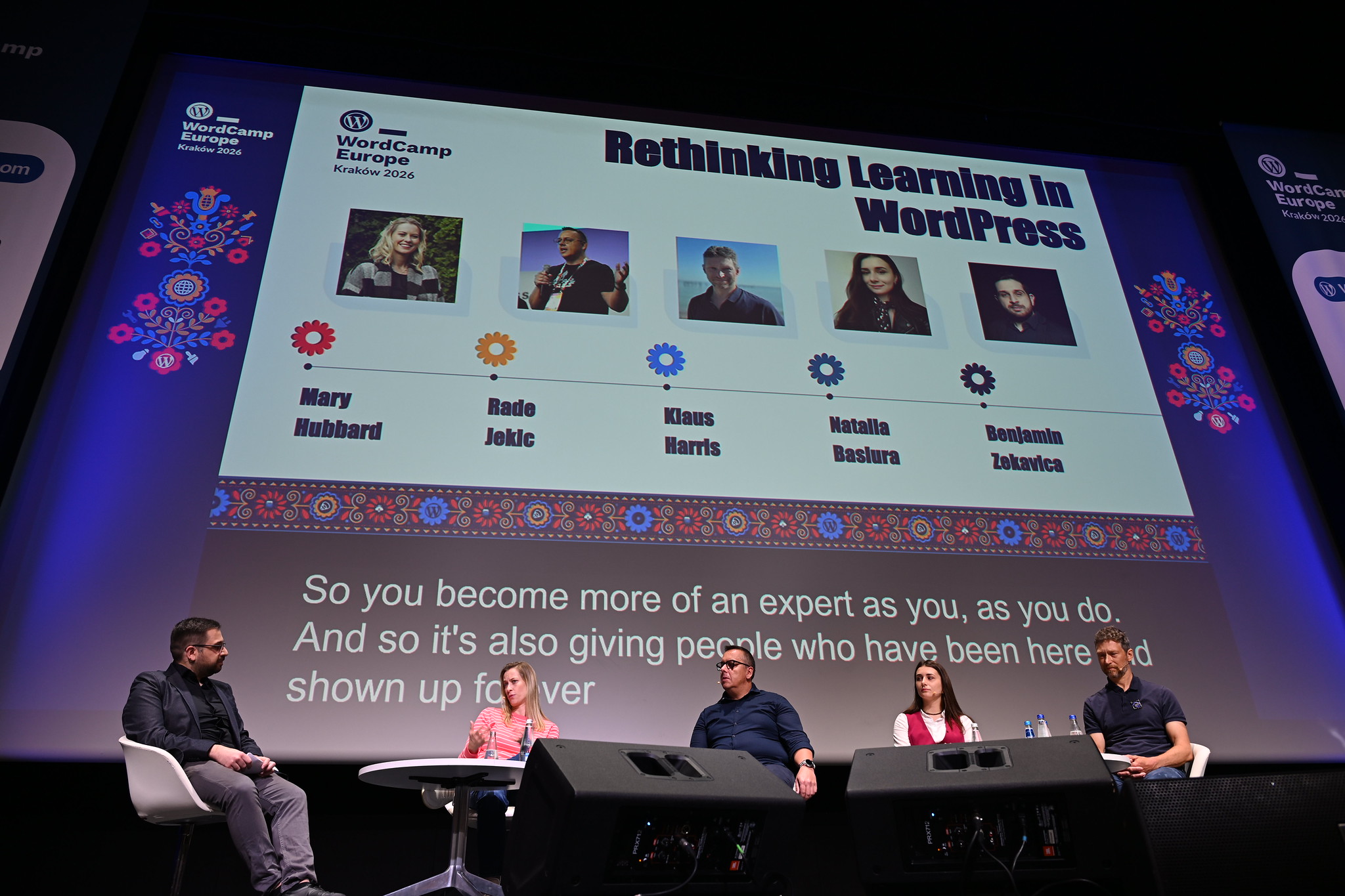
Saturday I moderated, the panel “Rethinking Learning in WordPress,” with Mary Hubbard, Rade Jekic, Natalia Basiura, and Klaus Harris. My first question to the room: are we making WordPress easier to learn, or just building more around it? We talked about the new certification, about AI in learning, and most of all about how someone gets in who’s just starting out. Which is exactly who was sitting in the audience.
The new faces
The best example sat right next to me on stage. Natalia isn’t a developer. She comes from project management and has been around for about a year. She said she first thought the community was only for developers, until she realized her skills fit just as well. Those are the people the project has been missing, and for me that’s the point.
Kraków also shows how you bring them in. There’s a local WordPress Academy for students here, with mentoring and a finished portfolio at the end. You don’t need to know anything going in. You felt that across all three days, in the sessions as much as in the hallways and at the booths.
Honestly, what I take from Kraków is less the feature lists and more the conversations between the talks and the people who showed up for the first time.
Credits: Patrick Posner, Jeroen Rotty, Christoph Daum